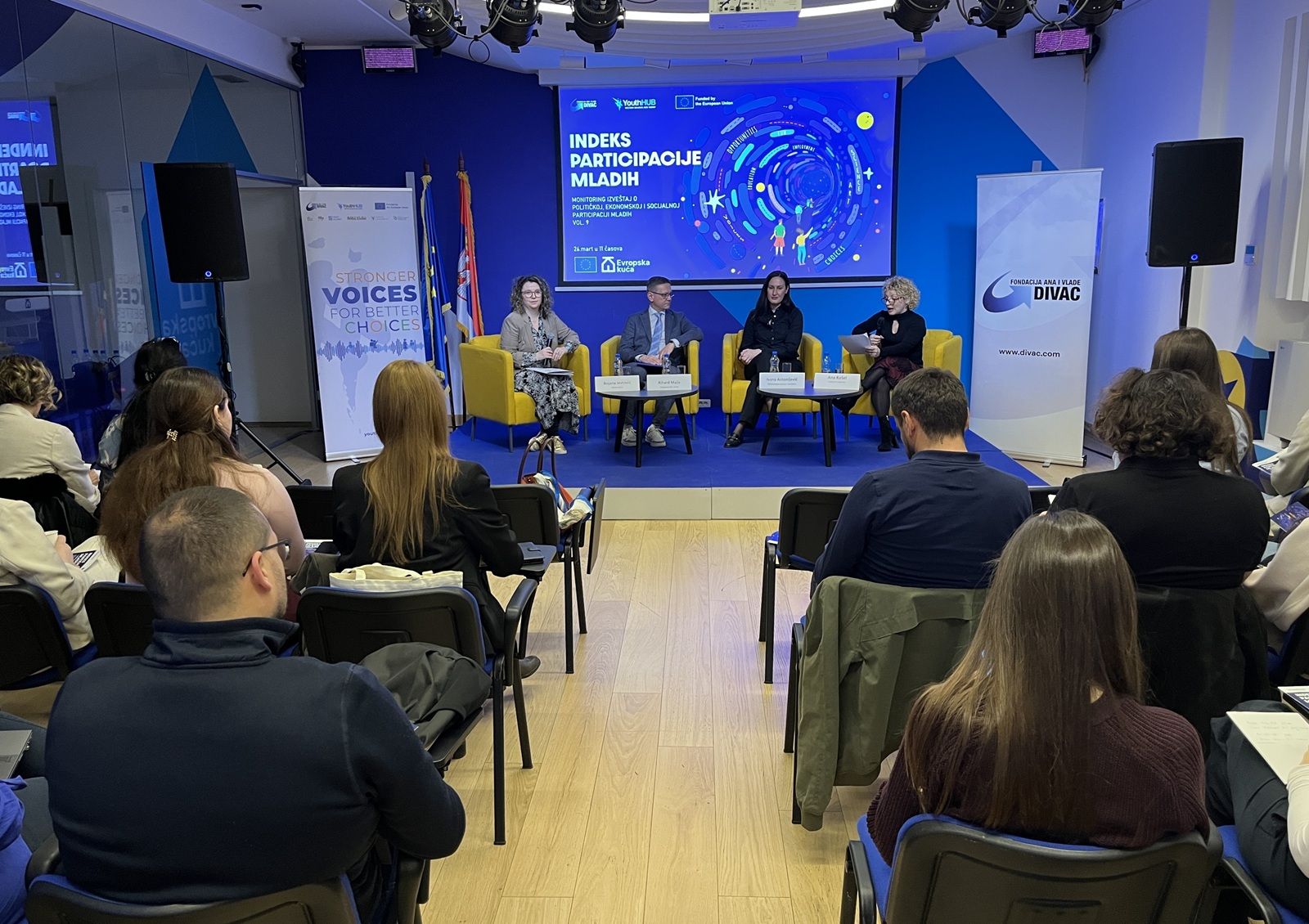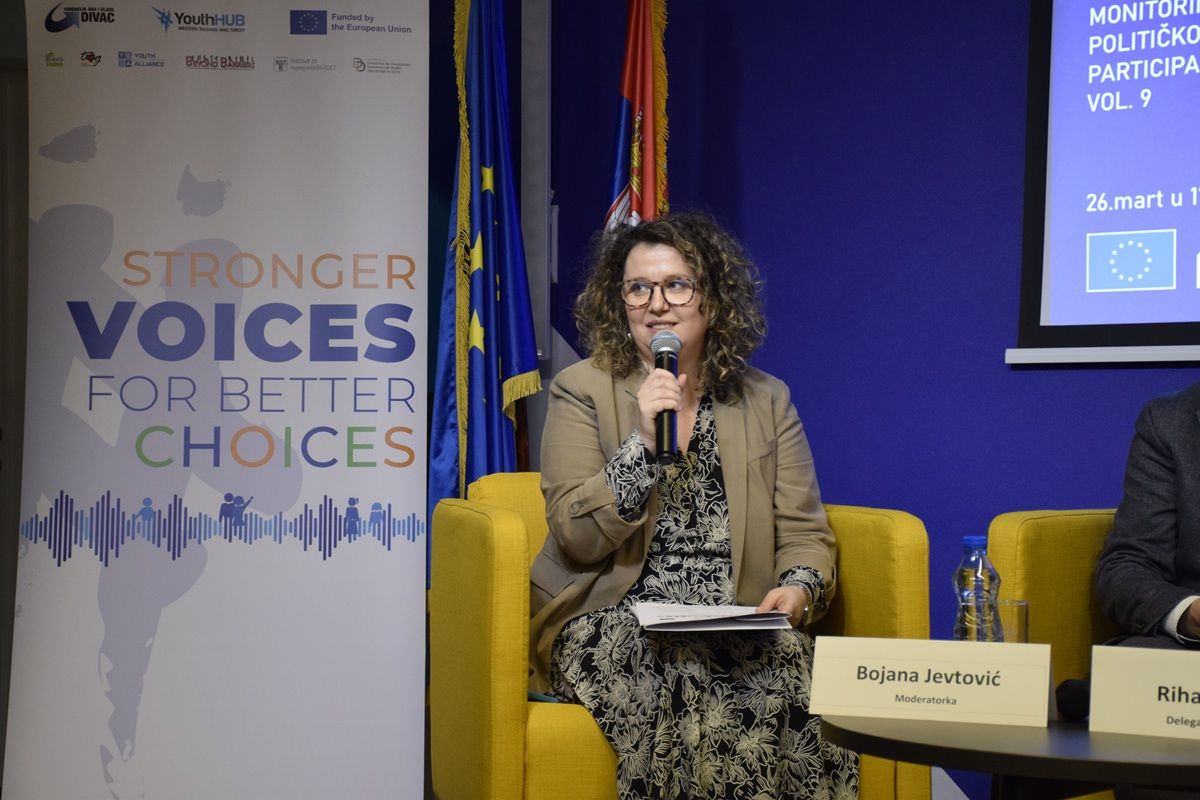
According to the latest data from the ninth annual edition of the regional Youth Participation Index, 16.8% of young people in Serbia are unemployed. Although this shows a slight decrease compared to the previous research, unemployment is still significantly higher than in the European Union, where the average is 11.4%. The latest research, presented today in Belgrade, also indicates that in most countries of the Western Balkans and Türkiye, around 20% of young people are at risk of poverty.
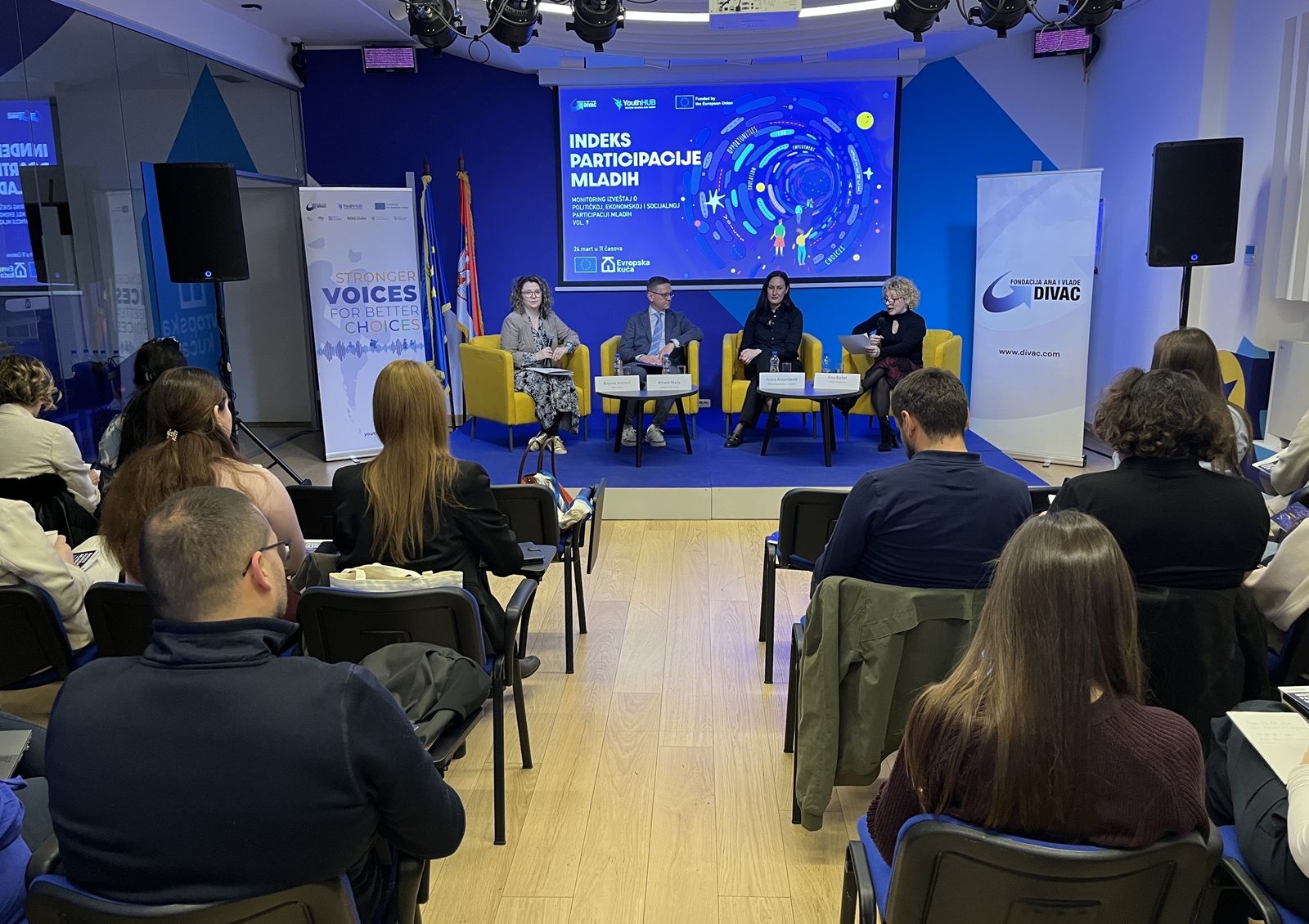
“When we create youth policies, develop strategic frameworks, and establish international, national, and local partnerships, we strive to be guided by data in order to understand what young people lack, what requires attention, and what should be prioritized within the limits of our available budgets. This Index has provided a more sophisticated way of analyzing data, clearly showing what has been invested and what the concrete effects are, both on individuals and communities,” said Ivana Antonijević, Assistant Minister at the Ministry of Tourism and Youth.
This ninth edition of the Youth Participation Index places special focus on the participation of young women in the labor market, the challenges they face, as well as their opportunities and perspectives.
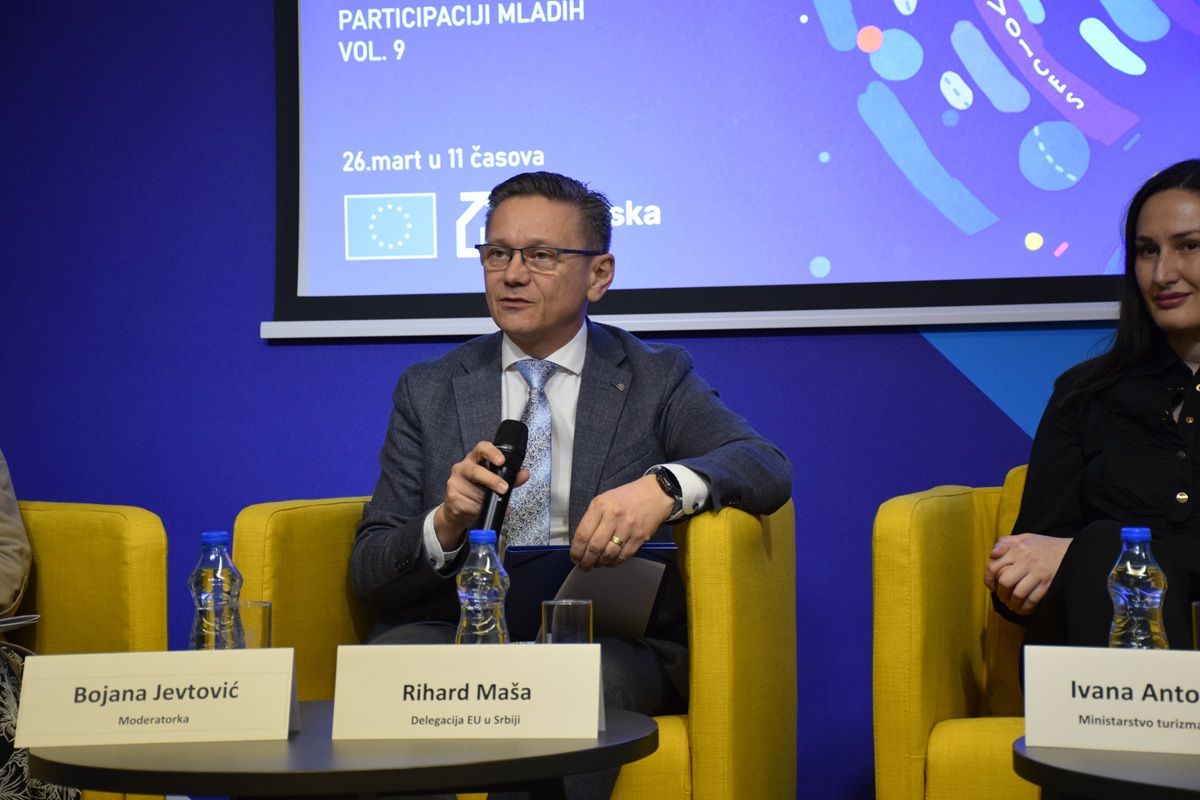
“The Youth Participation Index has become more than just a tool for long-term monitoring of youth policies—it has become a bridge between data and real change,” said Richard Masa, Head of Operations II at the Delegation of the European Union to Serbia, adding that “the economic participation of young women is not only a matter of fairness but also of economic development. When young women participate in the economy, the entire community progresses. Societies with higher female labor force participation grow faster. Gender equality is not a cost but an investment with the highest return.”
Too many young people are still neither employed nor engaged in education or training (NEET status), which represents missed opportunities for individuals and lost potential for society. Supporting young people in the transition from education to the labor market remains one of the key challenges in the region.
In most countries of the Western Balkans and Turkey, more young women are enrolling in universities, but significantly fewer manage to graduate. In Serbia, the enrollment rate of young women in higher education is the highest in the region. Specifically, 61% of young people in Serbia enroll in university, of which 74% are young women. However, only around 16% of those young women actually complete their studies. The problem is not talent but unequal opportunities, as these statistics reflect deeply rooted social gender norms. Young women are still expected to primarily take care of the family. They spend up to four times more time on unpaid household work than men, and when family obligations arise, education often becomes secondary.
“Through the continuous development of the Youth Participation Index and participation in creating the first Youth Well-being Index, the Ana and Vlade Divac Foundation contributes to a better understanding of the position of young people and improves data availability for designing better policies and more targeted support measures. This edition of the Youth Participation Index highlights the position of young women and their path to employment. Although Serbia, along with Montenegro, records the highest overall level of youth participation, we have been observing for years a lower level of participation among young women compared to young men across almost all dimensions measured by the Index,” said Ana Koeshall, Director of the Ana and Vlade Divac Foundation.
“Nearly 23% of young women in Serbia aged 25 to 29 are in NEET status—that is, neither in employment nor in education—compared to 15% of young men of the same age group. Improving the position of young women, especially those from vulnerable groups, must be one of our key priorities, because without equal opportunities for young women, there can be no sustainable development of society as a whole,” said Mirjana Mirosavljević Bobić, Project Manager of “Stronger Voices for Better Choices” at the Ana and Vlade Divac Foundation.
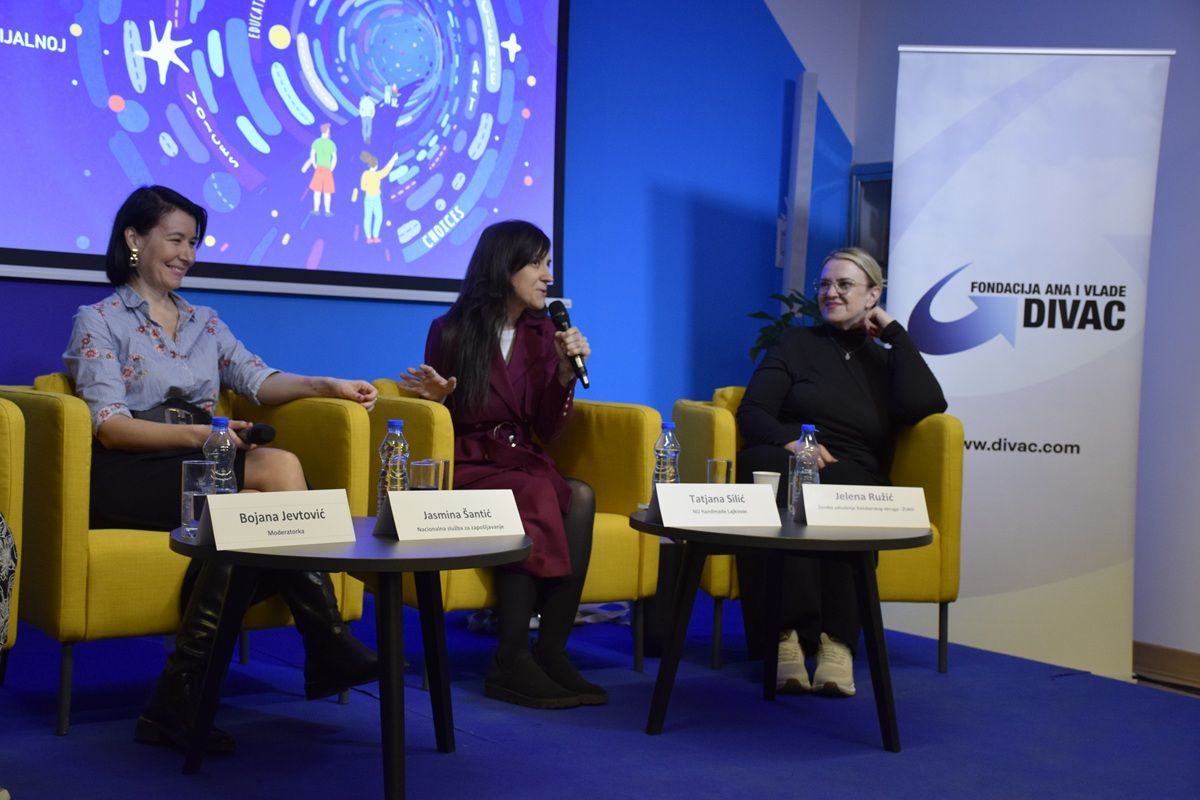
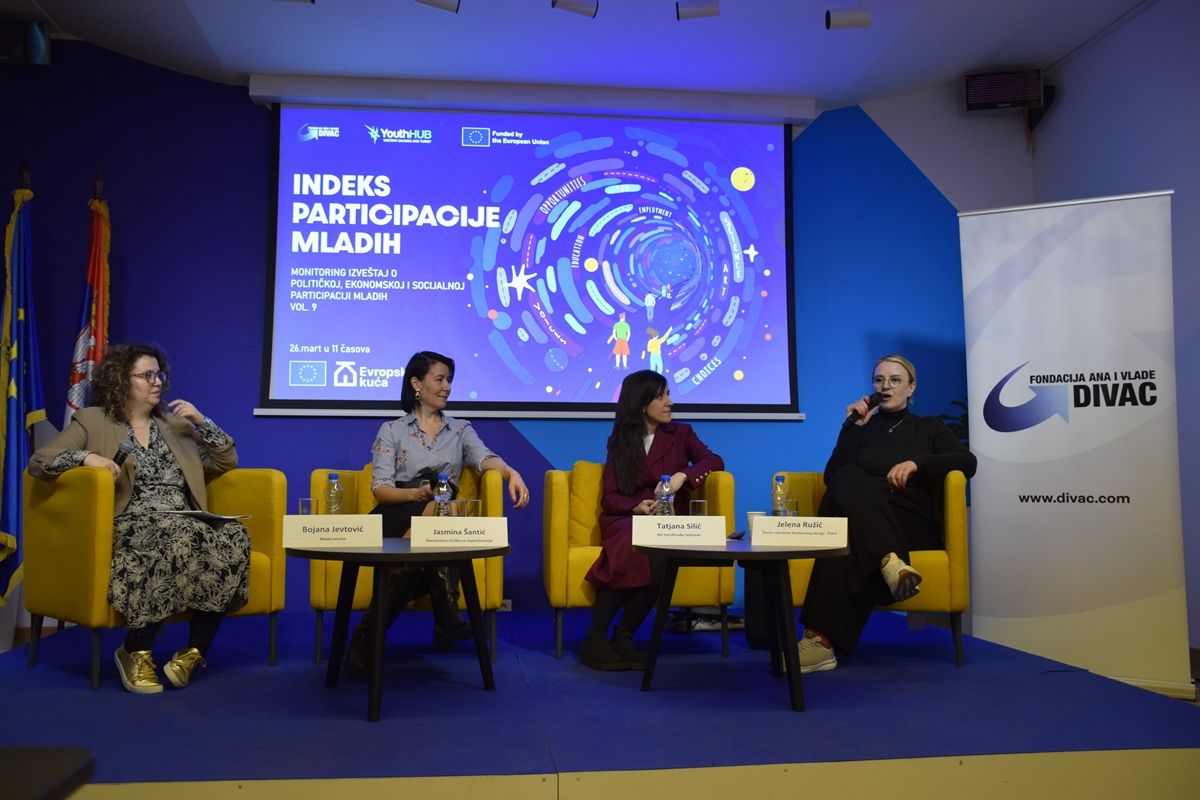
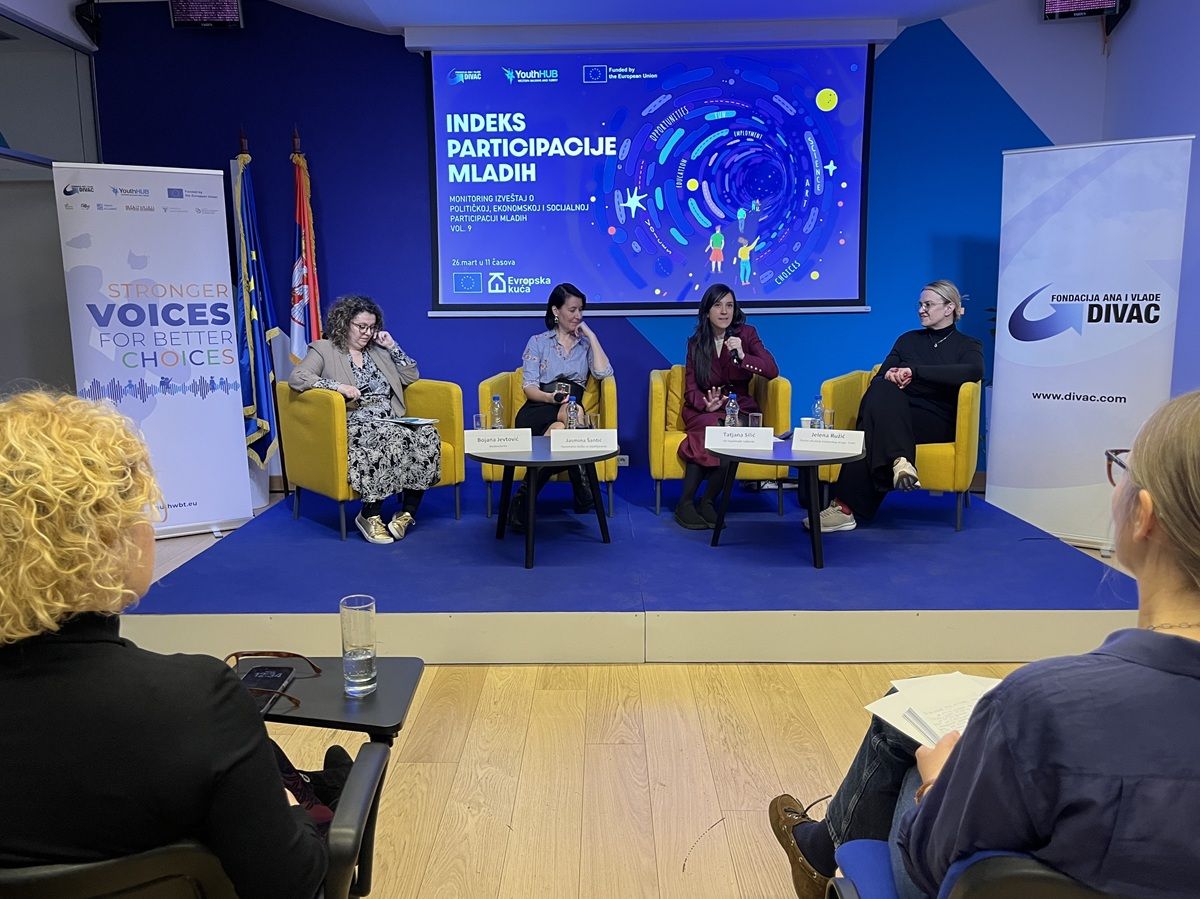
Although there are numerous programmes and trainings that prepare young people for the labor market, due to insufficient promotion and a lack of trust in institutions, these programmes, despite being available, are not sufficiently utilized. This conclusion was reached during the panel discussion that followed the presentation of the Youth Participation Index by Ksenija Čović. Panel included Jasmina Šantić, Head of the Career Development Department at the National Employment Service, Jelena Ružić, President of the Women’s Association of the Kolubara District - ŽUKO, and Tatjana Silić, entrepreneur and owner of NU Handmade from Lajkovac. In Serbia, which is on its path toward EU accession, numerous strategies exist and various institutions develop their own plans, but due to insufficient dialogue and a lack of coordination, a more unified approach to addressing youth employment issues is missing.
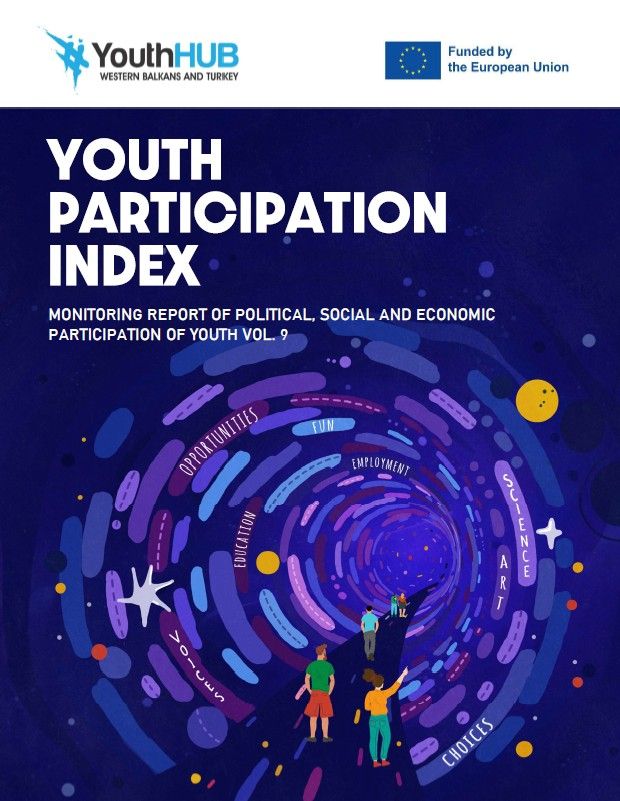
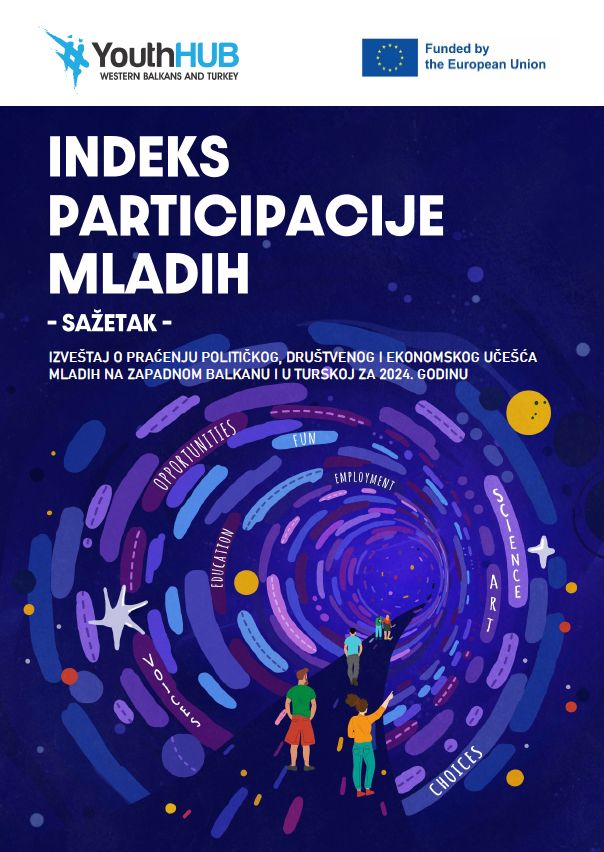
The Youth Participation Index (YPI), now in its ninth consecutive year, represents an important mechanism for understanding the political, economic, and social context that can either empower or limit youth participation in society. Based on systematically collected data from 2016 to 2024 and analysis of 25 indicators of political, economic, and social participation, the Index provides a comprehensive overview of the position and opportunities of young people. As a consolidated source of relevant data, it serves as a practical tool for decisionmakers and civil society organizations in designing policies and programmes based on the real needs of young people, while also enabling the monitoring of positive and negative trends and planning future steps to improve their position.
The Youth Participation Index was developed by the Network of Youth Organizations from the Western Balkans and Türkiye (YHWBT Network), consisting of 92 civil society organizations, with the aim of increasing youth participation across the entire Western Balkans and Türkiye. The network operates within the project “Stronger Voices for Better Choices,” coordinated by the Ana and Vlade Divac Foundation (Serbia) in partnership with Partners Albania for Change and Development (Albania), Youth Alliance - Kruševo (North Macedonia), NGO Prima (Montenegro), Community Volunteers Foundation (TOG) (Turkey), Institute for Youth Development KULT (Bosnia and Herzegovina), and Democracy for Development (Kosovo). The project is supported by the European Commission as part of its efforts to continuously improve the relationship between decisionmakers and young people.
A summarized version of the Youth Participation Index Vol. 9 in Serbian is available HERE.
The full version of the Youth Participation Index Vol. 9 in English is available HERE.